Evenings in Spring, Texas have a rhythm of their own. Heat lingers on the pavement, commuters peel off I-45 and FM 2920, and neighborhoods settle into that twilight hum. It is the perfect window to change the day’s momentum, not with more screen time, but with movement and focus. The right martial arts class can flip a tired evening into something that strengthens your body, clears your mind, and builds skills you carry into real life. If you are scanning for programs around Spring or near The Woodlands, and you land on condition1combat.com, you will see plenty of ways to make those after-work hours count.
Why evenings work so well in Spring
By late afternoon, energy dips. The temperature starts to ease, kids finish homework, and adults are looking for a second wind. Training at night uses that natural transition. You arrive carrying the day’s residue, and you leave with your shoulders relaxed and your mind sharper. In Spring, the local pace makes evenings practical, too. Morning traffic into the city or school drop-offs wreck consistency. After dinner, it is easier to commit to two or three regular sessions each week, and consistency beats intensity when you want lasting change.
A well-run evening program respects that not everyone shows up at their peak. Good coaches plan warm-ups that wake up tight hips from desk chairs, reset breathing, and get your central nervous system ready without burning you out before drills begin. The difference between a class that energizes and one that depletes often starts with that first 10 minutes.

What you will find when you step onto the mat
Most people are curious about what happens once the class starts. The flow at Condition 1 Combat Center, and similar facilities in the Spring area, typically looks like this: a targeted warm-up, technical instruction, progressive drilling, then controlled application work. That last piece might be pad rounds for striking, positional sparring for grappling, or scenario training in self defense. Coaches change the emphasis based on the day’s curriculum and the mix of students.
I like to see short teaching segments and focused reps. Five minutes of crisp instruction, then you move and feel the technique on a partner. Too much talking makes people cold. Too little detail and you miss the safety points. Skilled teachers walk the line by giving one or two high-value cues that make the rest of the movement fall into place.
If you are comparing options on condition1combat.com for martial arts classes, skim the descriptions but also pay attention to the class length. Sixty to seventy-five minutes is the sweet spot for evening training. It is long enough for learning and conditioning, short enough to fit family schedules without derailing bedtime.
Adult training that builds durable capacity
Adults do not need gimmicks. They need sustainable progress. That means training that respects old injuries, tight backs, and the simple fact that you have to be ready for work the next morning. At Condition 1 Combat Center, adult martial arts training often blends technique with thoughtful conditioning. Not soul-crushing metcons every night, but strong bodyweight circuits that make your core and hips do real work. Think dead bug variations for spinal control, carries for posture, and tempo squats to keep your knees honest. Ten minutes of smart strength at the end of class adds up. Over a couple of months, you will notice you can throw combinations longer and recover your breath faster.

Adults also benefit from clear progress markers. You do not need a belt every month, but you do need to see that you are getting better. That might mean hitting your first clean double-leg setup against light resistance, stringing together a five-strike combo with balance, or standing up confidently from the ground under time pressure. The best adult programs, including many listed through condition1combat.com adult martial arts training, bake in short tests and specific goals without making the class feel like school.
Kids who leave smiling, not spinning
Kids martial arts should not be a sugar rush. Yes, it should be fun, but fun with a purpose. Children learn best when structure is tight, instructions are simple, and the win is clear. A good kids class runs like a well-tuned machine: predictable routines, high-energy coaching, and small victories they can point to on the drive home. I have watched shy six-year-olds go from hiding behind a parent’s leg to calling their partners by name and counting reps out loud within a month.
Parents in Spring like programs that reinforce respect at home and in school. That means coaches who know how to redirect behavior without power struggles. At Condition 1 Combat Center kids martial arts, look for coaches who kneel to eye level when giving feedback, use names often, and keep corrections short. Drills that promote balance, push-pull strength, and basic tumbling build athletic foundations that carry over to any sport. If a child can cartwheel, shrimp, and hold a strong base, they are ahead of most peers physically, and their confidence rises with it.
For families vetting options on condition1combat.com kids martial arts, check two things: class size and assistant coach support. Under twenty kids with at least one assistant per eight to ten students is a solid ratio. Anything looser strains attention and safety.
Self defense that respects reality
Real-world self defense is not cinematic. It starts with awareness, space management, and a few high-percentage skills you can recall under stress. The better instructors in Spring, including those tied to condition1combat.com self defense classes, put scenario pressure into training early, but they dose it carefully. You practice verbal boundaries, posture that signals you are not a soft target, and simple, decisive movements: framing to protect your head, getting to your feet from the ground, and breaking grips without relying on strength.
Success here often comes down to decision trees you can follow even when your heart is pounding. If grabbed, anchor and peel, then create a window to exit. If pushed against a surface, build a frame, turn your hips, and cut an angle. If you hit the floor, protect your head first, then post and stand. Layered into that, you learn what the law allows in Texas in terms of force. Programs that skip consent, context, and aftermath are missing the most important part. The best self defense classes condition1combat.com highlights will address mindset, not just movements.
Conditioning without wrecking your recovery
People overestimate what they can do in a month and underestimate what they can do in a year. The right intensity makes evenings feel productive without bleeding into poor sleep. I advise adults to train two or three nights per week, then add a short at-home session on the weekend for mobility and light conditioning. Inside class, tempo work builds more capacity than redlining. You might shadowbox with a metronome, drill takedown entries at a steady cadence, or hit pads in structured intervals where the work-to-rest ratio gradually tightens across sets.
Recovery matters in the Houston climate. Hydrate early in the day, not just before class. Add a pinch of salt to your water if you sweat heavily. After class, five minutes of parasympathetic downshifting makes a difference. Nasal breathing drills, legs elevated on a wall, or a short walk in cool air help your nervous system settle so you can actually sleep.
What evenings feel like, week by week
The first week, your forearms ache from clenching and your brain feels overloaded. That is normal. By week three, your stance starts to feel natural, and the warm-up stops feeling like a workout on its own. At six to eight weeks, patterns click. You start to notice that your posture at your desk changes the next day and that you walk into the grocery store looking around with a quieter confidence.
One of my favorite moments happens at about the three-month mark, when new students begin coaching details to a partner. Teaching a piece of a technique to someone else locks in your own learning. At twelve weeks, most adults have enough competence to work controlled drills against light resistance. That shift, from choreography to problem-solving, is when training gets really fun.
How to pick the right class at Condition 1 Combat Center
If you are browsing martial arts classes at Condition 1 Combat Center, or scanning the schedule posted at condition1combat.com martial arts classes, think about your real constraints before you get drawn in by labels. Beginners often overemphasize style and underemphasize logistics. Fit the time slot that lets you show up consistently. A great class you attend twice a month loses to a good class you hit three times a week.
Even within a single academy, different evening classes have their own personalities. Early evening slots often draw parents and professionals who want to be home before nine. Later sessions sometimes tilt more technical or competitive. Try both. Notice the culture. Are partners respectful with contact? Do experienced students help new ones, or are they cliquish? Does the room feel focused or chaotic? These intangibles matter more than program names.
Safe contact, smart sparring
Sparring, whether in striking or grappling, is where lessons harden into skill. Done poorly, it is a shortcut to injury and bad habits. Done right, it is calibrated and purposeful. At Condition 1 Combat Center martial arts classes, ask how the coaches structure contact for new students. I want to hear that beginners do positional work first, with specific goals and time caps, before they ever see open rounds. In striking, light contact with clear targeting and mandatory defense rounds teaches far more than two novices swinging for the fences.
You control ego by setting rules. For example, in a five-minute grappling round, you might assign one athlete to attack only the back while the other defends, then switch. Or you rotate minute by minute between offense and defense so no one spirals into a strength contest. For striking, I like technical rounds where only the jab is live, or where body shots score and headshots are defensive-only. The aim is problem-solving, not domination.
The family factor
Families in Spring often train across generations. It is common to see a parent in an adult class while two kids finish their session in the next room. That shared vocabulary changes family life. When your child complains about a tough math assignment, you can remind them how they solved balance problems on the mat by breaking them into steps. When you hit a wall at work, your kid will remind you that you do not quit two minutes before the end of the round. I have watched this dynamic at Condition 1 Combat Center kids martial arts and in countless other dojos. It builds a household standard, quietly but firmly.
If you are coordinating multiple kids, look for back-to-back class times on condition1combat.com martial arts so you are not camping in the parking lot for hours. Some evenings run beginners early, then intermediate, which helps with siblings at different levels.
Cost, value, and what to look for in a membership
Prices in the Spring and North Houston area vary. Most reputable academies fall into a range that reflects facility quality, coach experience, and class frequency. More classes per week and specialized programs typically cost more, as they should. When evaluating options such as martial arts Condition 1 Combat Center programs, compare the real value: mat time, coach attention, safety protocols, and the community culture. Ask about intro packages. Many places offer a trial week or month. That short window lets you feel the fit without a long commitment.
Another point: flexibility matters for adults with volatile schedules. See if the membership allows you to cross-attend evening classes on different days. Life happens. You want a policy that lets you shift a Tuesday to a Thursday without penalties.
Injury prevention, because you want to train tomorrow
Staying healthy beats any technique highlight. If you are over 30, do a short mobility circuit before class, even if the warm-up is solid. Ankles, hips, and thoracic spine need the most love. After class, take two minutes for the little things. If you are a desk worker starting a striking program, your calves and Achilles will thank you for gentle eccentric work. If you are grappling, grip care prevents elbow flare-ups. Stretch your forearms, open your hands, and do a few gentle wrist circles before you get into the truck.
Communicate with coaches. If an old shoulder injury flares, tell them before class. A good instructor will give you variations. It is not weakness. It is how you train long enough to get good. At facilities promoted through martial arts classes condition1combat.com, you should hear that message loudly and often.
What realistic progress looks like in your first 90 days
- Week 1 to 2: You learn basic stance, guard, and footwork or base and posture. You start to breathe through your nose more consistently during drills. Week 3 to 4: Combinations feel smoother. You recognize common positions in grappling without freezing. Your recovery between rounds improves. Week 5 to 8: You demonstrate one or two reliable defenses and a go-to entry. You can partner safely with newer students. Week 9 to 12: You troubleshoot during live or controlled rounds and make simple adjustments mid-rep. Your confidence outside the gym changes in quiet, noticeable ways. At 90 days: You have a training routine that fits your life. The mat feels like a second home, not a foreign country.
How parents can judge a kids class in five minutes
- Watch the first two minutes of lineup. Are kids standing in organized lines and do they respond quickly to a coach’s cue without shouting? Notice partner assignments. Are they mixed fairly by size and skill, and do nervous kids get extra guidance? Listen for names. Good coaches use names often, correct briefly, and reinforce effort, not just results. Check the end of class. Is there a brief recap and a simple takeaway the child can repeat on the way home? See how the room empties. Safe floors, shoes back on, water bottles collected. Order at the edges usually means order in instruction.
A note on style labels and what they mean in practice
People get wrapped up in labels like Muay Thai, boxing, Brazilian jiu-jitsu, or mixed striking read more and grappling. Labels matter less than execution. If your goal is general fitness and practical self protection, pick a striking class that teaches you to move your feet, keep your hands home, and land basic attacks without telegraphing. Pair it with a grappling class that emphasizes positional escapes, top control, and safe stand-ups. You will get 80 percent of the benefit with 20 percent of the noise.
If your heart pulls you toward deeper study in a single discipline, great. Systems with ranks or stripes give satisfying long arcs of progress. Just do not let the pursuit of a belt overshadow the reasons you started. The best programs in Spring, including the ones you find on martial arts condition1combat.com, meet you where you are and grow with you.
Culture eats curriculum
Technique matters, but culture sustains. A room where people take care of each other creates lifelong practitioners. I look for a few tells when I visit an academy. Do advanced students partner with beginners without theatrics? Do coaches explain not just the what, but the why? Are there clear rules on hygiene, punctuality, and respectful contact? These small signals predict your long-term experience far more than slick websites or loud music.
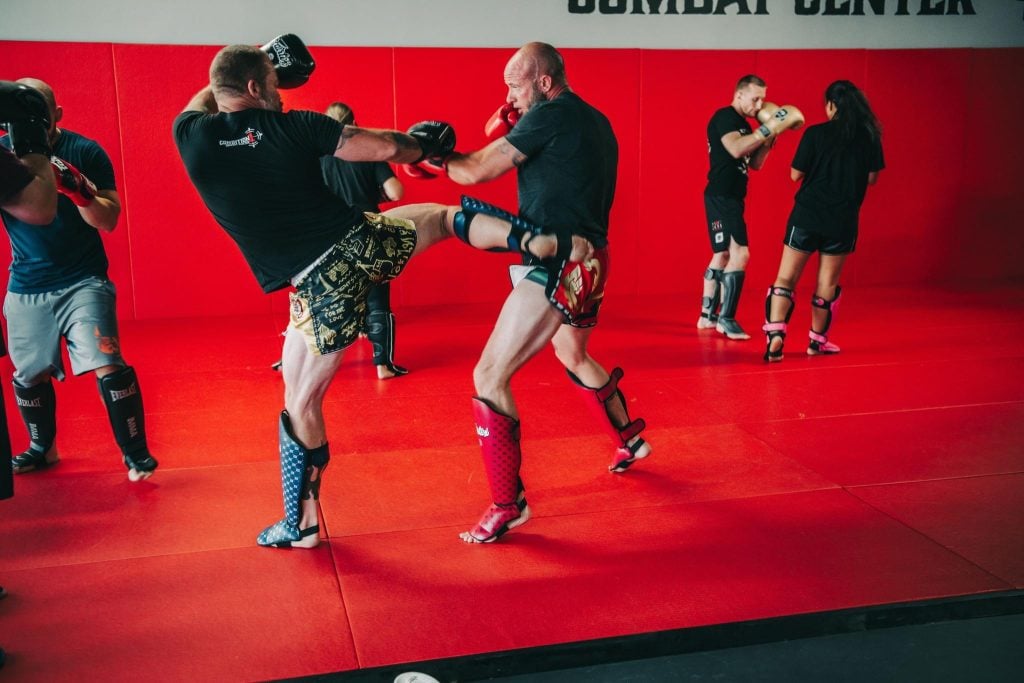
Condition 1 Combat Center martial arts is known locally for emphasizing respect and accountability. Consistent standards protect everyone’s training. You want that. A clean room, thoughtful coaching, and a welcoming but serious environment are not luxuries. They are the baseline.
Making evenings a habit, not a hope
Set your plan in writing. Two weekdays and one flexible evening buffer. Pack your bag in the morning with water, a protein snack, and whatever gear your class requires. For striking, gloves that actually fit and hand wraps you know how to tie. For grappling, a clean uniform or appropriate no-gi attire, and sandals to protect the mats. Little frictions sink consistency. Eliminate them.
If you have kids in the program, build a simple routine. Homework first, snack, then class. Keep a spare set of clothes and a water bottle in the trunk. Spring weather turns fast. You do not want to skip a session because someone forgot socks.
Where condition1combat.com fits in your search
Websites should serve you, not sell you. When you visit condition1combat.com martial arts or look up self defense classes condition1combat.com, scan the schedule, coach bios, and any trial information. Strong programs will showcase their staff’s teaching experience as much as their competitive accolades. If you can, visit in person before you buy. The five-minute vibe check tells you more than any paragraph on a screen.
For adults seeking a direct path, the adult martial arts training Condition 1 Combat Center lists will likely include beginner-friendly on-ramps and clear class labels so you do not walk into an advanced session by accident. For parents, kids martial arts condition1combat.com pages should outline age groups, expectations, and how promotions work. Transparent expectations reduce friction for everyone.
A final word for hesitant starters
People often wait for perfect timing. It does not exist. You can start while a little out of shape, nervous, or unsure of the style. Good coaches expect it. They have seen every type of beginner walk through the door, from former athletes to folks who have not trained since high school PE. The first month is about building the habit. The second month is about enjoying it. The rest takes care of itself.
If you live in or around Spring, TX, your evenings can become a source of energy rather than a dead zone. With thoughtful instruction and a supportive room, martial arts classes at Condition 1 Combat Center turn that twilight lull into a reliable anchor. You will move better, think clearer, and carry yourself differently at work, at home, and everywhere in between. Check the schedule, block two nights this week, and step onto the mat. The rest of your evening will feel lighter, and over time, so will your life.